
How to Sell Your Home: Seller Prep Guide
Selling your home successfully starts with preparation, realistic pricing, and the right real estate professional. Clean and repair the property, improve its first impression, gather important documents, and interview REALTORS® who understand your local market. A strong selling plan helps attract qualified buyers, reduce surprises, and protect your time and investment.
What should you do before selling your home?
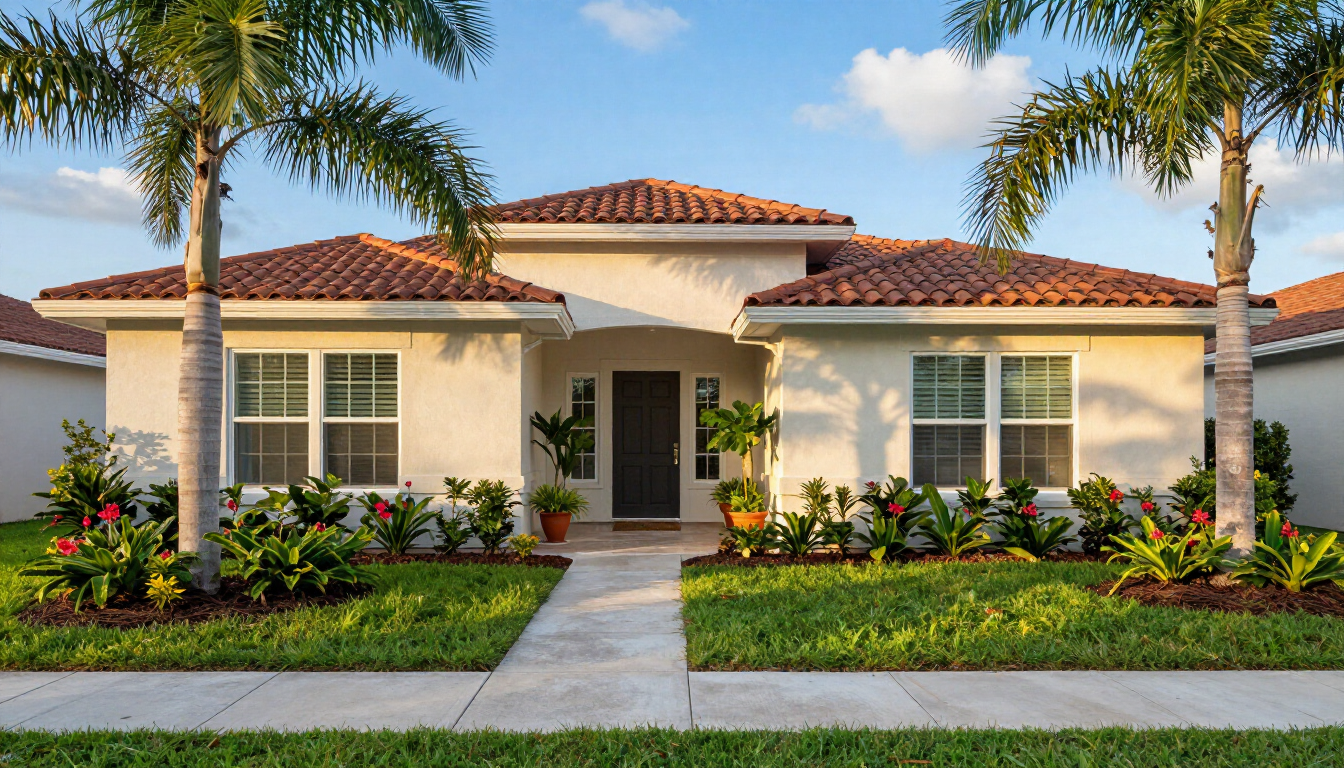
Before listing, walk through your property as a buyer would. Your goal is not to create a perfect home; it is to present a clean, comfortable, well-maintained home that makes it easy for buyers to imagine living there.
Seller preparation checklist
- Declutter each room: Remove excess furniture, personal collections, and items from countertops, closets, and garages.
- Deep clean: Focus on kitchens, bathrooms, windows, flooring, baseboards, ceiling fans, and appliances.
- Complete visible repairs: Fix dripping faucets, damaged screens, loose handles, burned-out bulbs, scuffed walls, and broken fixtures.
- Improve curb appeal: Mow and edge the lawn, trim shrubs, refresh mulch, sweep walkways, and make the entry inviting.
- Create a neutral setting: Use simple décor and soft, broadly appealing colors where practical.
Start with the improvements that buyers notice immediately. Major renovations are not always necessary, especially if they will not return their cost. A knowledgeable REALTOR® can help you prioritize updates based on comparable homes and current buyer expectations.
How can you make your home more appealing to buyers?
Presentation influences both buyer interest and the offers a property receives. Bright, orderly rooms generally photograph better and feel more spacious during showings.
Consider these practical steps:
- Open blinds and curtains to maximize natural light.
- Replace overly personal artwork and décor with simple accents.
- Store valuables, medications, financial documents, and spare keys securely.
- Keep pets, litter boxes, and pet supplies out of sight during showings.
- Maintain a comfortable temperature and pleasant, subtle scent.
Do not hide significant defects or skip required disclosures. Transparency helps protect the transaction and builds trust with prospective buyers. Your agent can explain which disclosures and property documents apply in your situation.

What documents should sellers gather?
Having information ready can make the listing process faster and help answer buyer questions accurately. Gather documents before your home goes on the market, including:
- Property survey, if available
- Mortgage or payoff information
- Homeowners association rules, fees, and contact details
- Receipts, warranties, and permits for improvements
- Utility averages and information about included appliances
- Insurance details and relevant inspection reports
If you own a commercial property or investment property, collect leases, operating statements, service contracts, zoning information, and other records a buyer may request. Your real estate professional can create a tailored document list.
Choosing the right REALTOR®
The best agent is not necessarily the person who suggests the highest listing price. Look for someone who combines local knowledge, clear communication, strong marketing, negotiation skill, and a process that matches your goals.
Questions to ask a prospective agent
- How will you determine my home’s recommended price?
- Which Central Florida neighborhoods and property types do you serve?
- What marketing will you provide online and locally?
- How will you communicate showing feedback and market changes?
- What is your availability during negotiations and inspections?
- Can you share relevant testimonials or recent seller results?
- What fees, agreements, and services should I understand before signing?
Ask each candidate to explain their strategy in plain language. A thoughtful pricing recommendation should reference comparable sales, active competition, market conditions, property condition, and your timing—not just an automated estimate.
You can learn more about the available List With Me service, review Testimonials , or use the Contact page to begin a conversation.
What makes a good listing strategy?
A strong listing strategy connects preparation, pricing, marketing, and timing. Your agent should help you decide which repairs are worthwhile, when to launch, how to handle showings, and how to evaluate offers beyond the headline price.
Effective marketing may include:
- Professional photography and compelling property descriptions
- Accurate details about features, improvements, and included items
- Online exposure across relevant real estate search channels
- Showing coordination and feedback management
- Follow-up with interested buyers and cooperating agents
Pricing is especially important. Overpricing can reduce early interest, cause the listing to sit, and make future price changes more noticeable. Underpricing may attract attention but could limit your financial outcome. The right price should reflect evidence and your selling objectives.
How should you compare offers?
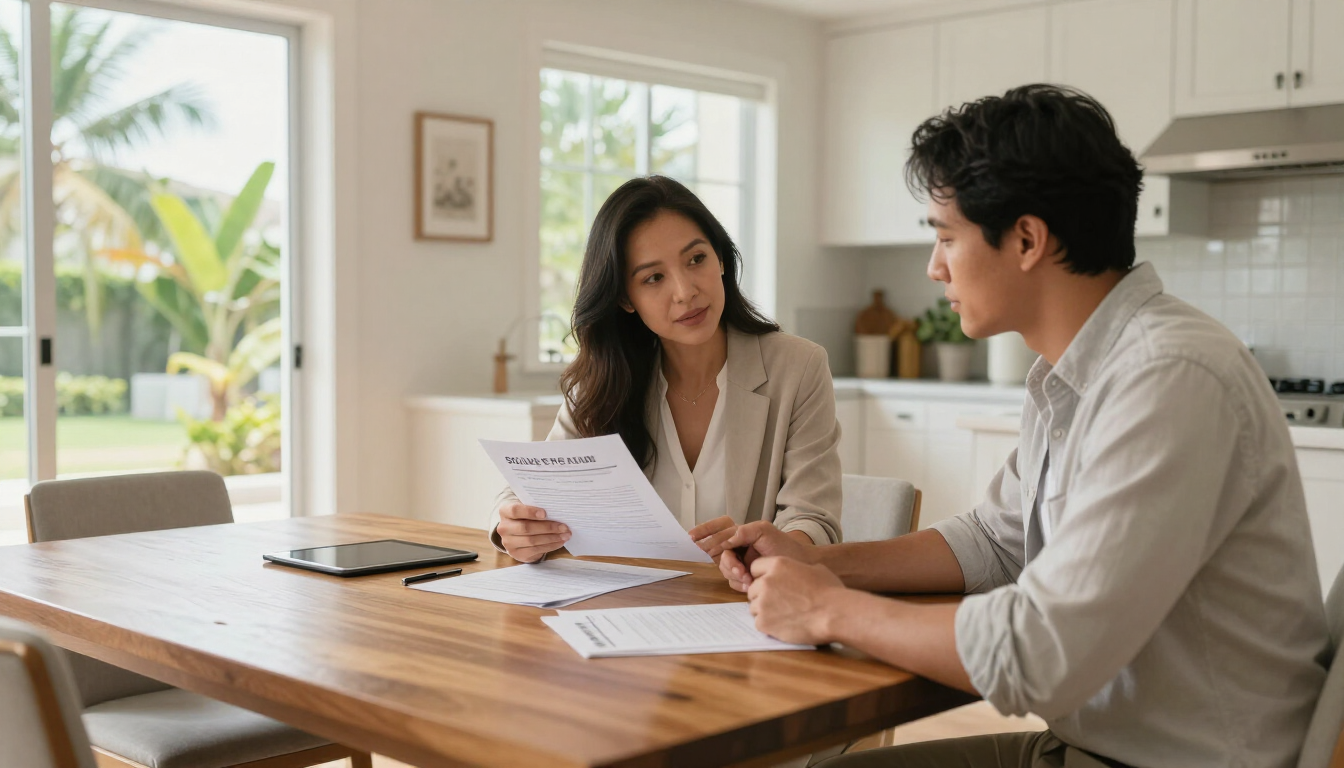
The highest offer is not always the strongest offer. Compare the complete terms and the likelihood of a smooth closing. Important factors may include:
- Purchase price and financing type
- Earnest money and down payment
- Inspection and appraisal contingencies
- Closing date and possession timing
- Seller-paid costs, credits, or requested repairs
- Financing strength and buyer flexibility
Your REALTOR® can organize the details, explain risks, and help you respond strategically. You make the final decision, but informed guidance can prevent an attractive-looking offer from creating avoidable problems later.
Common seller mistakes to avoid
Even motivated homeowners can make the process harder by:
- Choosing an agent based only on the suggested price
- Spending heavily on renovations without market guidance
- Staying emotionally attached to an unrealistic value
- Making showings difficult or canceling at the last minute
- Ignoring feedback about condition, price, or presentation
- Waiting too long to address inspection or appraisal concerns
Selling can feel personal, but treating the transaction as a business decision helps. Keep your goals visible, communicate promptly, and rely on current market evidence.
Frequently asked questions
Should I sell my home before buying another one?
It depends on your finances, timing, available housing, and comfort with uncertainty. Selling first may strengthen your purchasing position and clarify your budget. Buying first may provide convenience but can create pressure if your current home does not sell quickly. Discuss both scenarios with your agent and financial adviser.
Is staging necessary when selling a home?
Professional staging is not required for every property, but thoughtful preparation is valuable. Decluttering, cleaning, improving lighting, and arranging furniture can make rooms easier to understand online and in person. Ask your REALTOR® whether full staging, partial staging, or simple seller-led preparation makes the most sense.
How early should I contact a real estate agent?
Contact an agent several weeks before you want to list, or earlier if you need repairs, contractor recommendations, pricing research, or a customized selling timeline. Early advice can help you avoid rushed decisions and focus your budget on improvements that matter.
Your next step
Selling your home is easier when you prepare before the listing goes live. Clean and declutter the property, complete practical repairs, gather key documents, and improve the first impression. Then interview REALTORS® based on local experience, communication, marketing, pricing strategy, and negotiation support—not promises alone. For owners in Orlando, Winter Park, Winter Garden, Kissimmee, Clermont, Lake Mary, and nearby Central Florida communities, a thoughtful plan can create stronger buyer interest and a more organized transaction. Review your goals, request a professional market evaluation, and choose the strategy that fits your timeline and priorities. Contact Monica Perlas at 407-446-8086 for more information.